Sensorineural Hearing Loss
Sensorineural hearing loss occurs when there is a problem with the sensory

We Bring Hearing to Life!

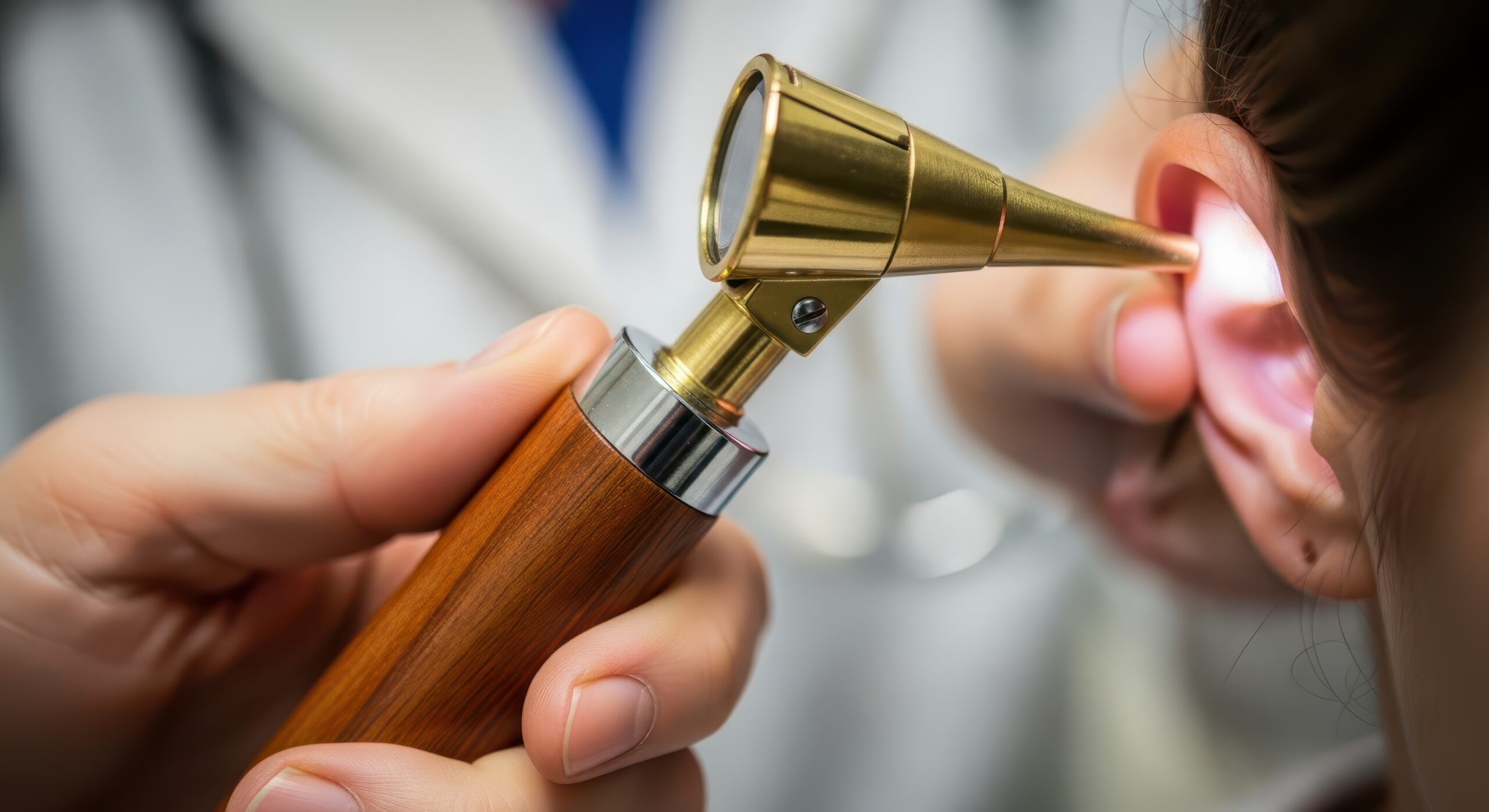
Earwax is like a self-cleaning system for our auditory system and is important for the health of the ear. Created by wax glands in the external ear canal, it protects the skin of the ear from water and infection. But when earwax builds up too much, it can cause a blockage within the ear, leading to a reduction in the ability to hear and possible damage to the eardrum.
Symptoms of an earwax blockage can include:
How much and the consistency of the wax varies considerably from person to person and is largely determined by genetics, among other things. Certain factors increase the likelihood of an earwax blockage. These factors include:
Although many people use cotton swabs to remove earwax, hearing health experts advise against it because of the risk of puncturing the eardrum with the swab; pushing the earwax deeper inside the ear, potentially causing damage; and/or introducing bacteria, which can lead to infection.
People who have concerns about earwax should see a hearing healthcare provider who can examine the ear, remove any wax buildup, and advise on home ear care. Pharmacists can advise on the appropriate use of over-the-counter products. Source
Sensorineural hearing loss occurs when there is a problem with the sensory

Dizziness is a symptom not a disease. It may be defined as a sensation of

Tinnitus is commonly described as a ringing, buzzing, whooshing or hissing