Sensorineural Hearing Loss
Sensorineural hearing loss occurs when there is a problem with the sensory

We Bring Hearing to Life!


Did you know that once you lose your hearing, it often can’t be restored? Protecting your hearing and ear health can help prevent hearing loss and related ear diseases as you age.
According to the U.S. National Institute on Deafness and Other Communication Disorders, about 15 percent of adults in this country have trouble hearing with one or both ears, with the greatest amount of hearing loss in the 60 to 69 age group.
Fortunately, many common causes of hearing loss can be prevented — and you don’t have to stop doing the things you love! You can keep your ears healthy by protecting them from injury and loud noises, such as concerts and fireworks shows, and staying up to date on immunizations and well visits.
While there is no set hearing screening schedule, the American Speech-Language-Hearing Association recommends annual hearing tests for adults beginning at age 60 or those at risk for hearing loss, such as people who work in noisy environments. However, if you notice a change in your hearing, or have ringing or fullness in your ears for more than 24 hours, talk to your healthcare provider.
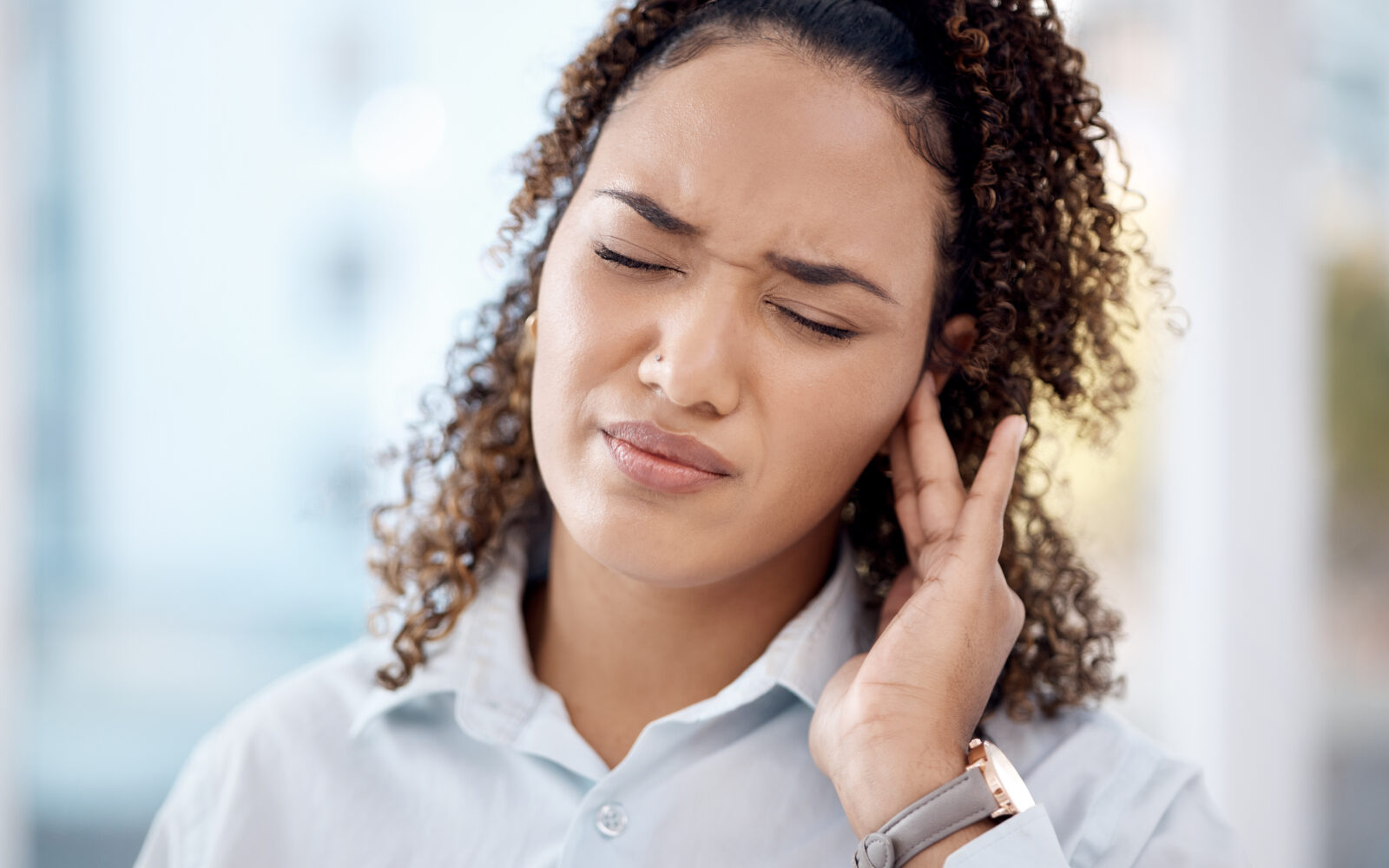
Sensorineural hearing loss occurs when there is a problem with the sensory

Dizziness is a symptom not a disease. It may be defined as a sensation of
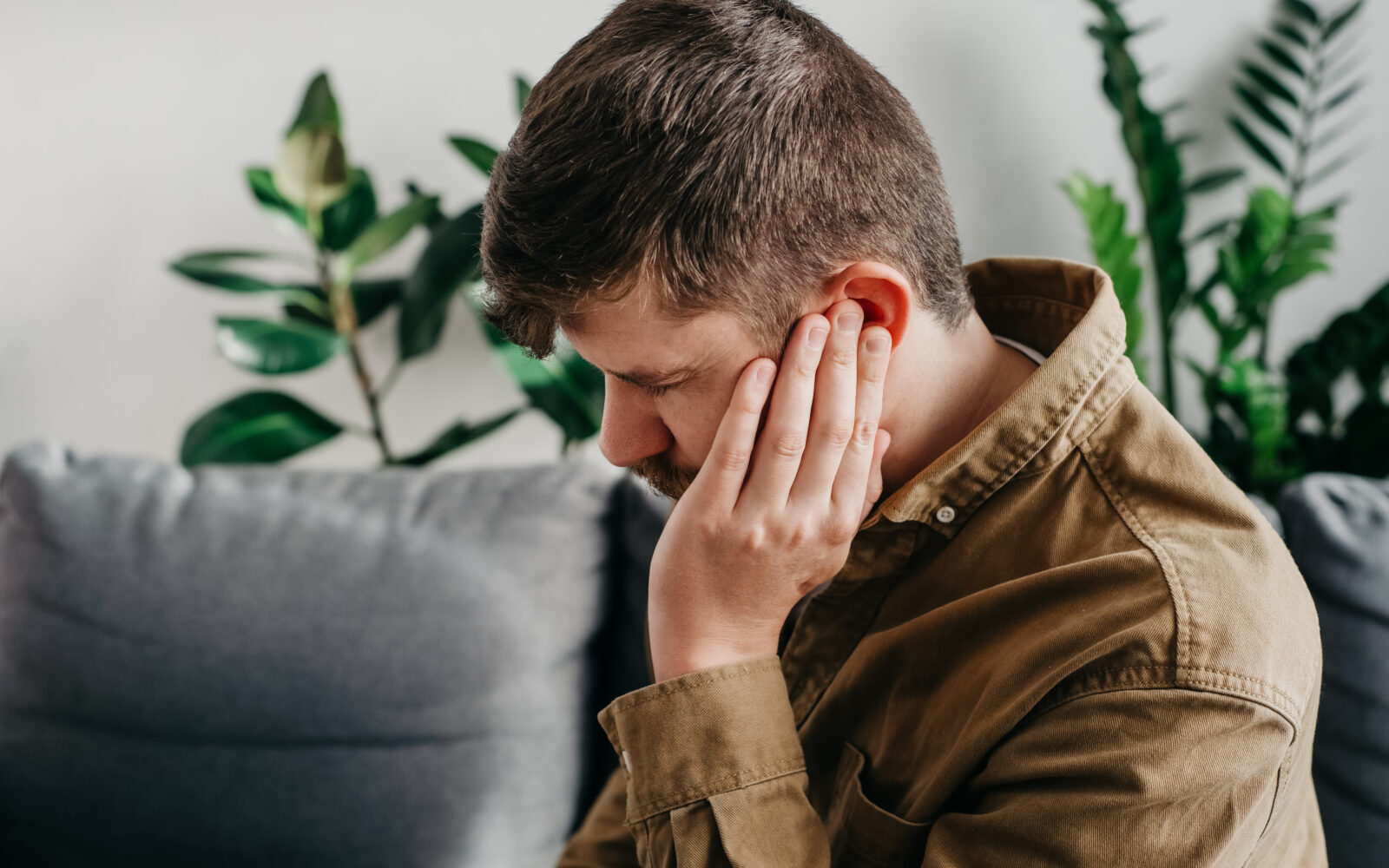
Tinnitus is commonly described as a ringing, buzzing, whooshing or hissing