Sensorineural Hearing Loss
Sensorineural hearing loss occurs when there is a problem with the sensory

We Bring Hearing to Life!
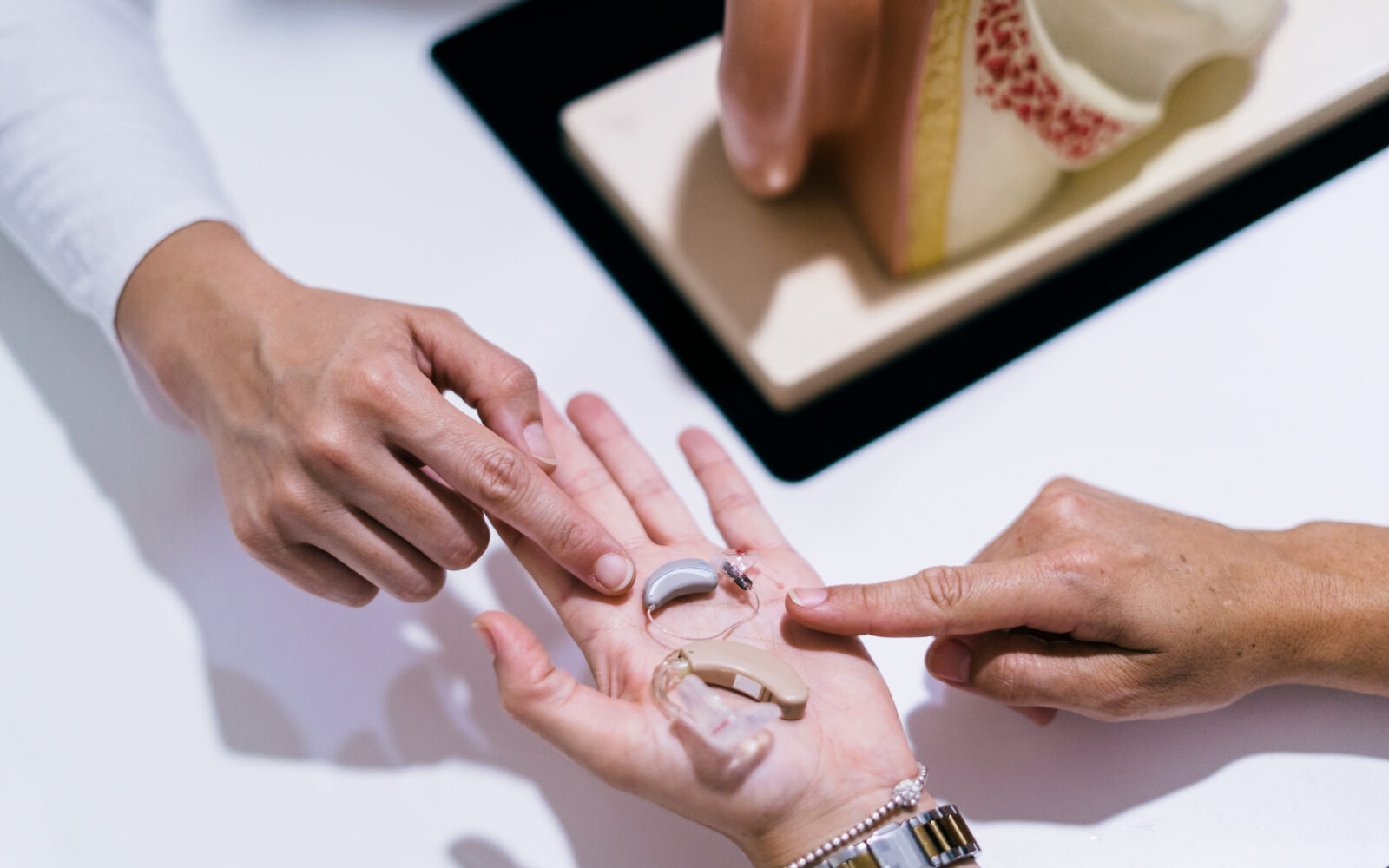
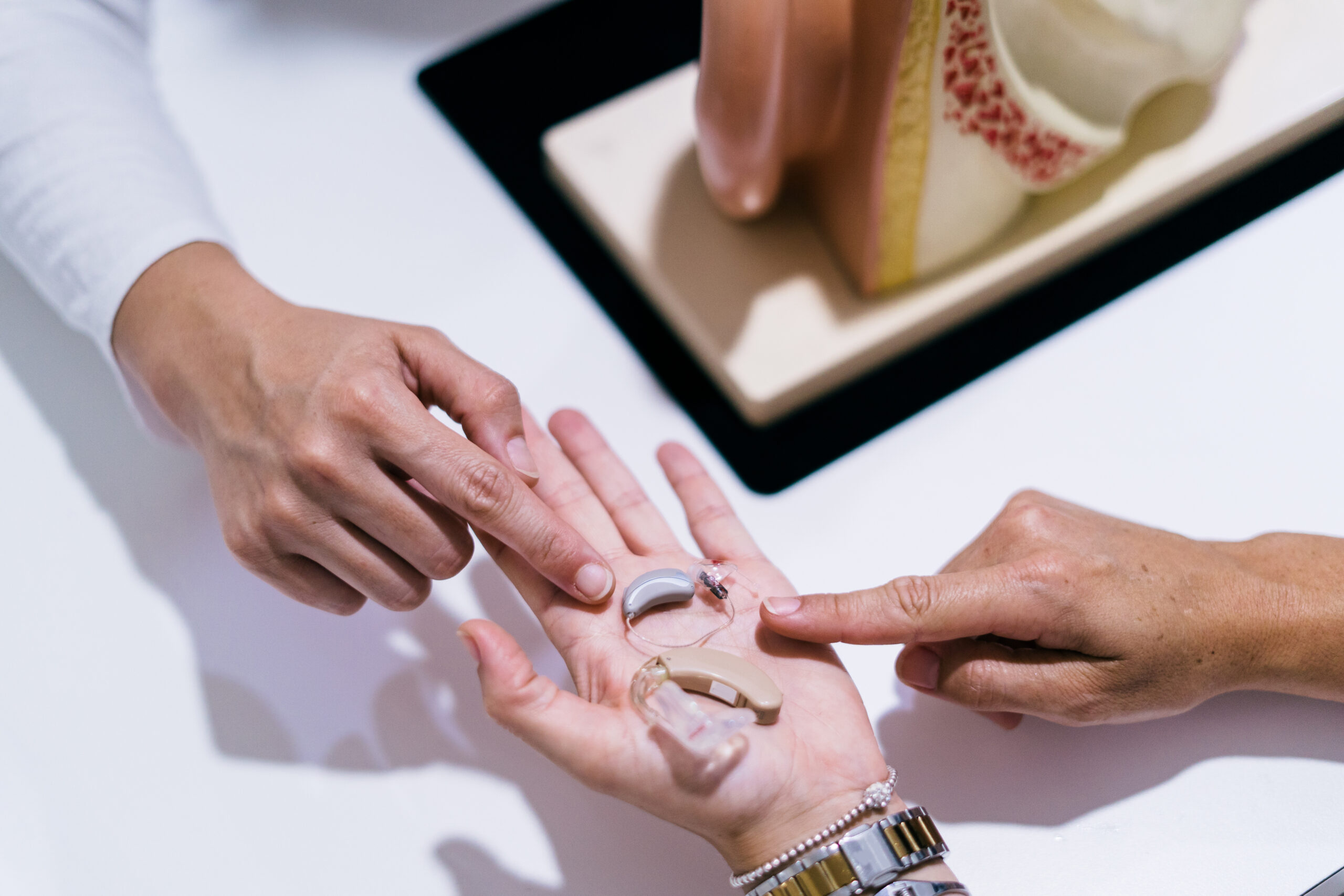
Along with your other four senses — sight, smell, taste and touch — your hearing helps you communicate and stay independent and socially engaged. If you have impaired hearing, your world may get much smaller and lonelier.
Wearing hearing aids, including over-the-counter hearing aids, can improve your hearing but won’t restore it entirely. Hearing aids work by amplifying sounds, but they take time to get used to. The parts of the ear and brain that normally detect sounds become inactive with hearing loss, write Frank Lin, M.D., the director of the Cochlear Center for Hearing and Public Health and a professor of otolaryngology at the Johns Hopkins Bloomberg School of Public Health, and audiologist Nicholas Reed, an assistant professor of epidemiology at the Johns Hopkins Bloomberg School of Public Health, in AARP’s Hearing Loss for Dummies. When you first get hearing aids, those parts of the ears and brain that have been dormant can become overstimulated, and that can feel jarring, they say. Your brain may need a few weeks to get used to the new way you hear.
Here are some tips for getting used to hearing aids;
1. Be sure your hearing aids fit.
The first step in getting used to hearing aids is to work with your audiologist and ENT during your hearing aid fitting. This is when you try on your hearing aids for the first time. The technician can calibrate and adjust the sound, so be sure to let them know if you have any concerns or if something just doesn’t sound right.
Even if you bought over-the-counter (OTC) hearing aids, without a prescription, an audiologist can help with any discomfort or problems. “A lot of people think, It’s either OTC, or I go to an audiologist and get prescription hearing aids. Nothing is further from the truth,”
2. Wear your hearing aids as often as you can.
When you start wearing your new hearing aids, things sound strange. That’s because sound doesn’t travel directly into your ears anymore. Rather, a microphone captures the sound, an amplifier makes it louder, and a receiver delivers it to your ear. It will take a while to get used to sounds, including your own voice.
“Many people feel discouraged when they start wearing hearing aids because every noise is too loud,” says Sarah Hesseltine, an audiologist at Massachusetts Eye and Ear in Boston. “Even soft sounds, like slippers on a carpet, feel new.” Background noises and sounds become really noticeable. Wear your new hearing aids all day every day for a week or two, Hesseltine advises, so you can get used to sounds you never paid attention to in the past.
3. Get accustomed to your voice.
Your own voice may sound different when you start wearing hearing aids, and getting used to it could be one of your biggest challenges. It may help to read aloud to yourself in a quiet spot for a few minutes each day so your voice starts to sound more familiar. Keep in mind that getting used to new hearing aids can be tiring and might give you headaches or even itchy ears. If wearing them from morning to night is too much, set them aside periodically and enjoy some quiet time.
4. Don’t put up with feedback.
Feedback is that annoying squeal or whistle you sometimes get from hearing aids. Older models commonly produced some feedback, but today’s versions are more advanced, so if you’re getting a lot of whistling, tell your audiologist. It could mean there’s a problem with your hearing aids, or they may not fit right. According to the Hearing Industries Association, advanced hearing aids can help control feedback, but how effective that control is depends on the situation.
5. Learn to use the app.
Hearing aids can’t filter out sudden, loud noises like screeching brakes or clanking cutlery. But new technology can help you reduce the volume of those sounds. Many hearing aids have smartphone apps that let you create controls and specific settings for crowds and noisy spaces. If you’re having trouble with the app, or can’t filter out the loud noises, check with your audiologist or hearing aid specialist to see if they can help make those adjustments.
6. Use captions when you’re watching TV.
Listening to and reading words at the same time retrains your brain to connect sounds and language. You can use captions when you watch television, and you can listen to an audiobook as you read along in the print version. This also can help you retain what you’re hearing, because seeing spoken words as text helps your brain process the sounds. Another trick when watching television: Set it to a normal volume to help train your brain to accept a new baseline of sound.
7. Wear your hearing aids in different settings.
Once you’ve worn your hearing aids at home for several days and are beginning to adjust, start wearing them in other places. Try them when you run errands, or at lunch with a friend. Then wear them in a larger social setting, like a sports event or a party. This will help you make more adjustments to the volume or to the smartphone app settings.
8. Be patient.
The National Council on Aging says it can take a month or more for your brain to adjust to hearing aids, especially if you’ve had hearing loss for a while. When you start wearing hearing aids, you may hear background noises you never heard before. The hum of your kitchen appliances might suddenly seem loud and annoying. Just be patient, and give your brain time to relearn which sounds to prioritize.
9. Learn to care for your hearing aids.
Hearing aids are full of technology, and they’ll last longer if you care for them properly. Clean them daily with a small brush, which is typically provided in the packaging. The best time to clean hearing aids is in the morning after any wax has dried, Lin and Reed write in Hearing Loss for Dummies. Never clean hearing aids with a soaking wet cloth, household cleaning products or harsh chemical cleaners.
Follow up with your audiologist if your hearing aids are uncomfortable. Adjusting to hearing aids can be frustrating, but it shouldn’t be painful. Source
Sensorineural hearing loss occurs when there is a problem with the sensory

Dizziness is a symptom not a disease. It may be defined as a sensation of
Tinnitus is commonly described as a ringing, buzzing, whooshing or hissing