Sensorineural Hearing Loss
Sensorineural hearing loss occurs when there is a problem with the sensory

We Bring Hearing to Life!
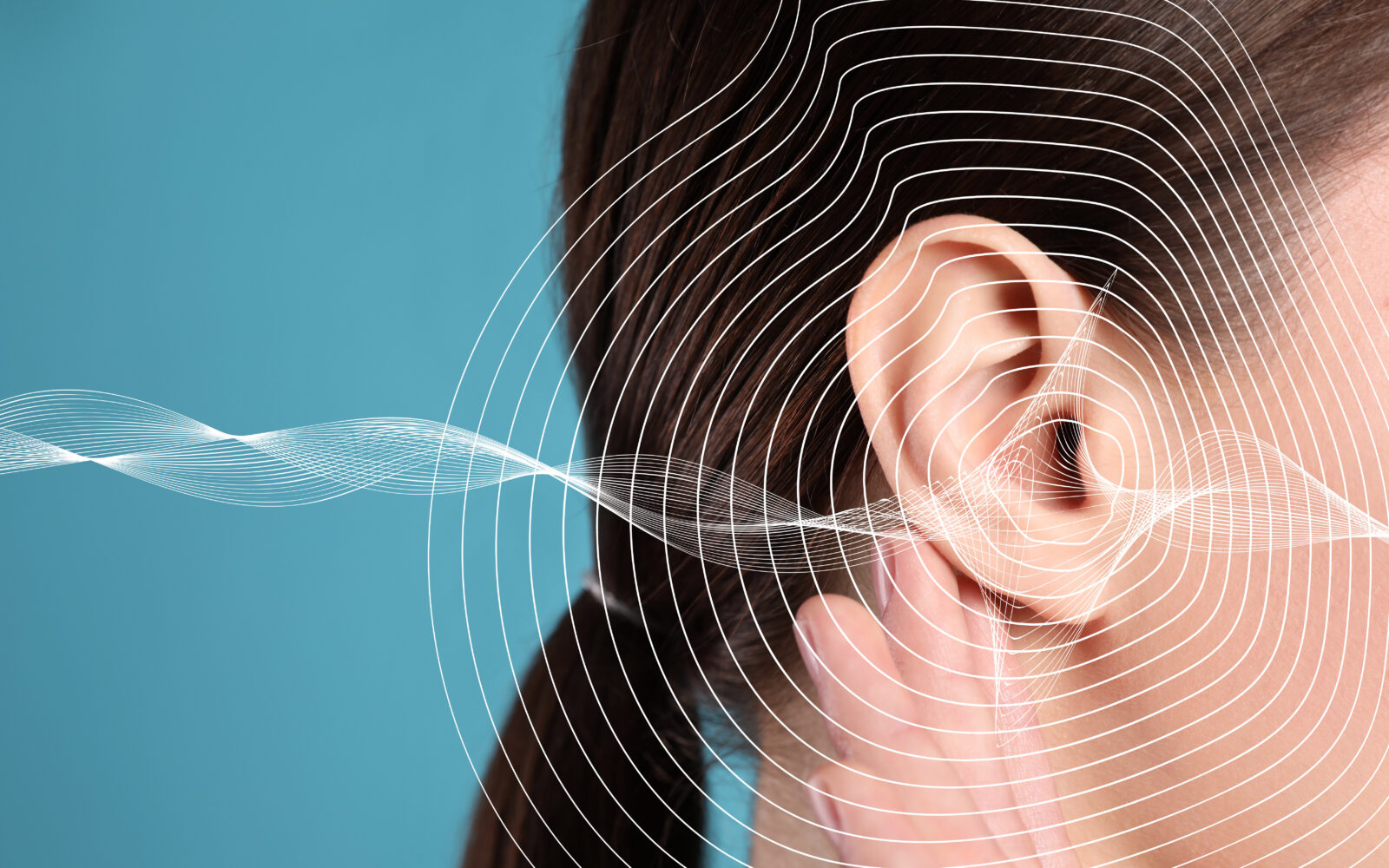
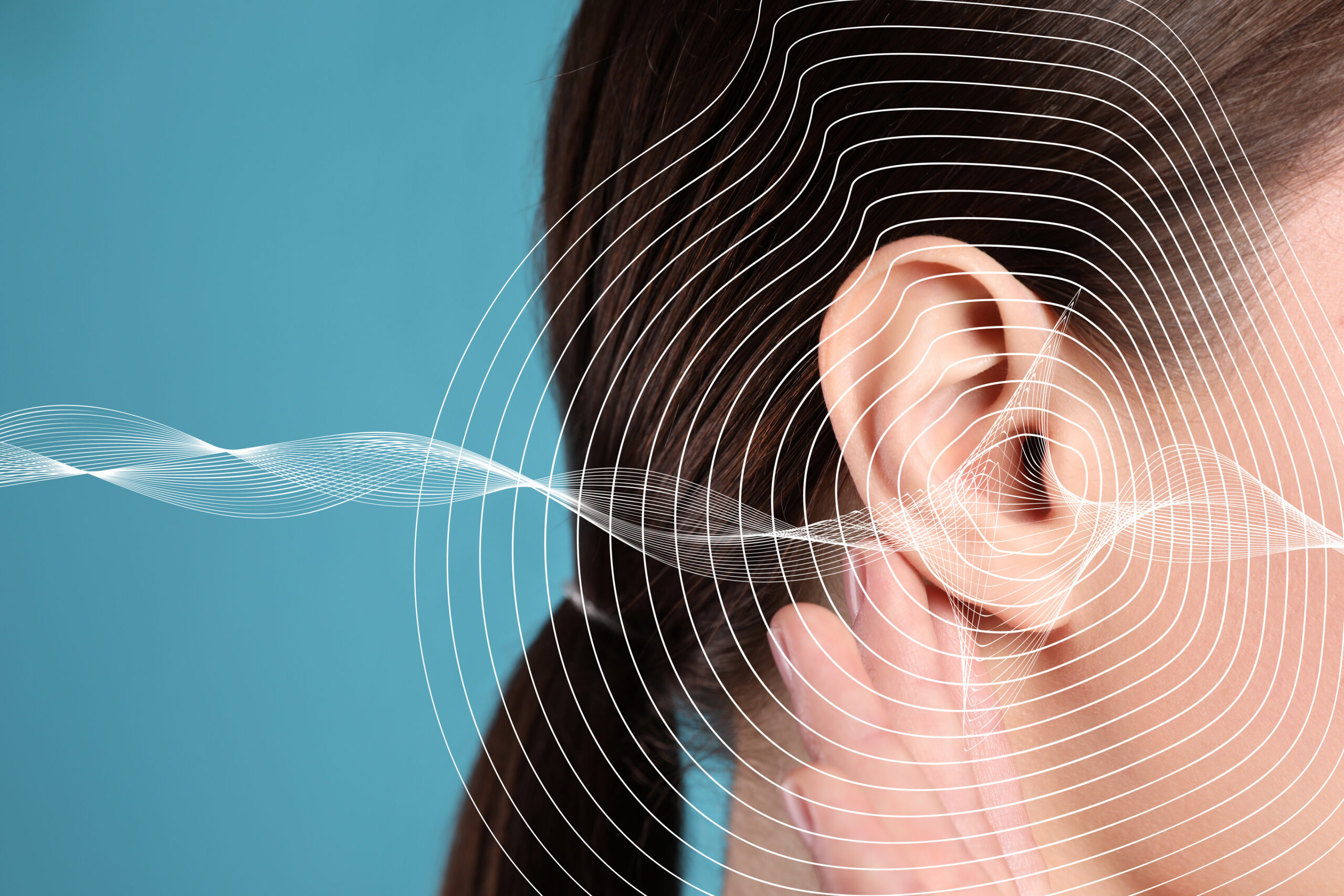
Do you struggle to hear the television? Are you frequently asking others to repeat themselves? If so, you’re not alone: More than 1.5 billion people around the world — close to 20% of the global population — have some degree of hearing loss. Our sense of hearing is delicate and complex, and it plays an essential role in our mental well-being.
There are several ways to improve hearing for people with known hearing loss. From hearing aids to auditory training, here are some ways to enhance your quality of life when living with hearing loss:
1. Medical intervention
Hearing aids are the most common way to treat hearing loss and improve quality of life. Hearing aid use can improve brain processing over time as it adjusts to renewed auditory stimulation. For more severe cases, doctors may recommend a cochlear implant to help correct hearing loss. While hearing aids amplify sound waves, cochlear implants directly stimulate the auditory nerve. Cochlear implants are surgically placed and require training on how to use them.
2. Medical and electronic devices
Hearing aids are not the only medical device that can help people improve hearing. Other assistive listening devices and technology available to boost hearing include the following:
3. Communication strategies
Communicating with people on a daily basis can be both frustrating and exhausting for people with hearing loss. Here are some tips on how to improve your communication with others:
4. Auditory training
Auditory training programs are a great way to learn strategies to improve your hearing through a series of exercises. Programs are offered in-person, online and through mobile apps.
Common auditory training exercises include:
Recent studies have also found that music training is a promising tool as a therapy that may help improve hearing. Activities incorporating music such as singing, playing an instrument and listening to music can help with memory, auditory skills and speech comprehension.
While mild hearing loss is often a product of natural aging, there are steps you can take to protect your ears and minimize the significant impact hearing loss can have on your overall health and well-being.
Here are a few tips on how to protect your ears and keep your hearing sharp:
1. Protecting your ears
Safeguarding your ears from the environment and loud noise is important to prevent the development of hearing loss as you age.
2. Maintaining good ear health
Taking care of our ears isn’t usually top of mind during our daily hygiene routine. However, simple steps can make a big difference in protecting your ears from potential causes of hearing loss.
3. Healthy lifestyle choices
Establishing a healthy routine can have a big impact on our well-being, and our daily habits can have a big impact on our hearing health.
Understand the side effects of your medications. Some medications, including large amounts of aspirin and certain antibiotics and diuretics, can lead to hearing loss.5
4. Regular checkups and screening
As we age, it is important to prioritize routine checkups with our doctor to help catch any health issues in their early stages before progressing into something severe.
5. Workplace and recreational safety
People who work in loud environments, such as construction, music or manufacturing, need to take extra precautions to protect their hearing. The Occupational Safety and Health Administration (OSHA) requires employers to implement a hearing conservation program when noise levels are above 85 decibels during an eight-hour workday.
A hearing conservation program must:
You may not realize it, but many daily routines can also negatively affect hearing. These can include:
Experts suggest that an environment is too loud if:
To protect your hearing during these situations, you can:
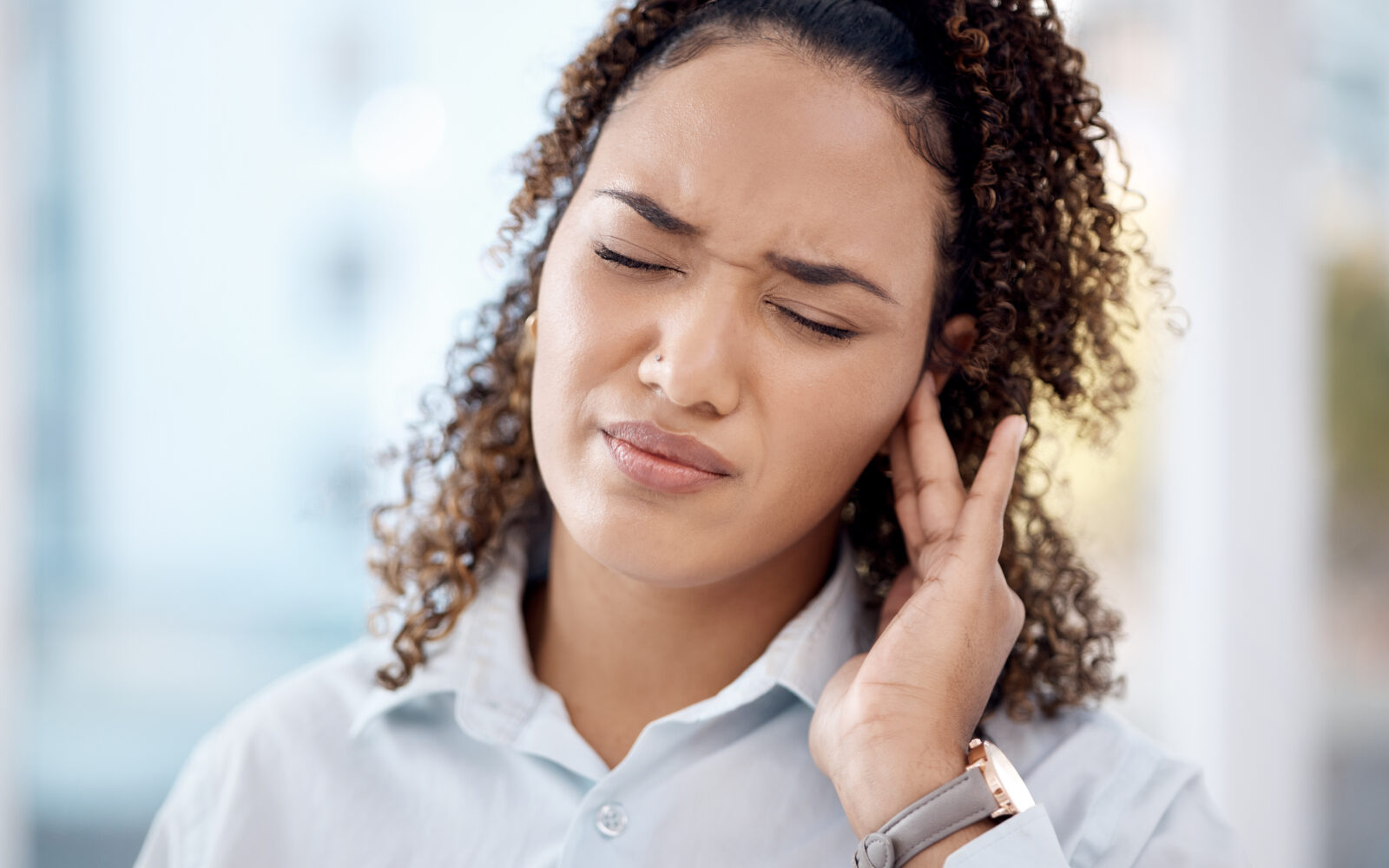
Sensorineural hearing loss occurs when there is a problem with the sensory

Dizziness is a symptom not a disease. It may be defined as a sensation of
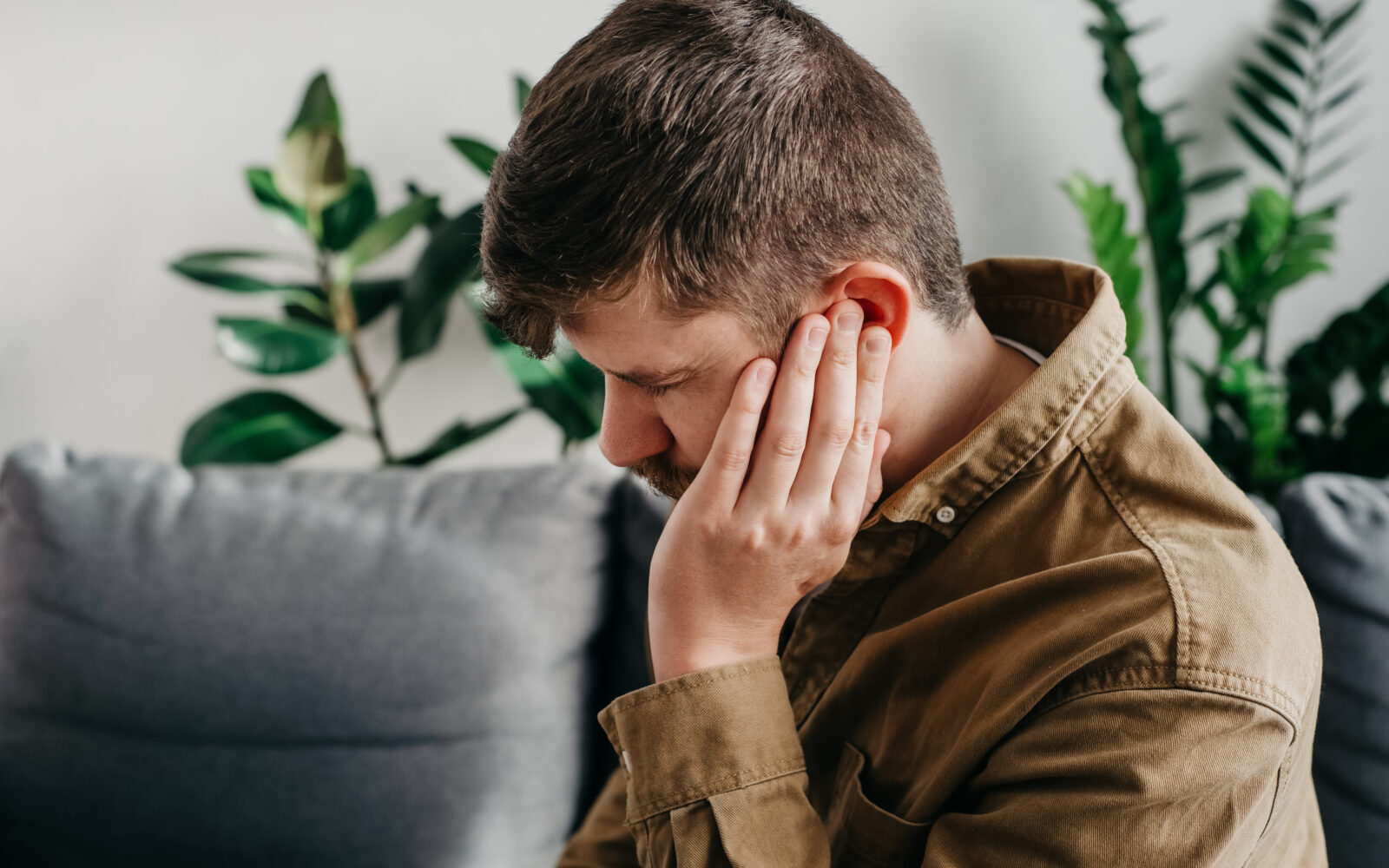
Tinnitus is commonly described as a ringing, buzzing, whooshing or hissing