Sensorineural Hearing Loss
Sensorineural hearing loss occurs when there is a problem with the sensory

We Bring Hearing to Life!

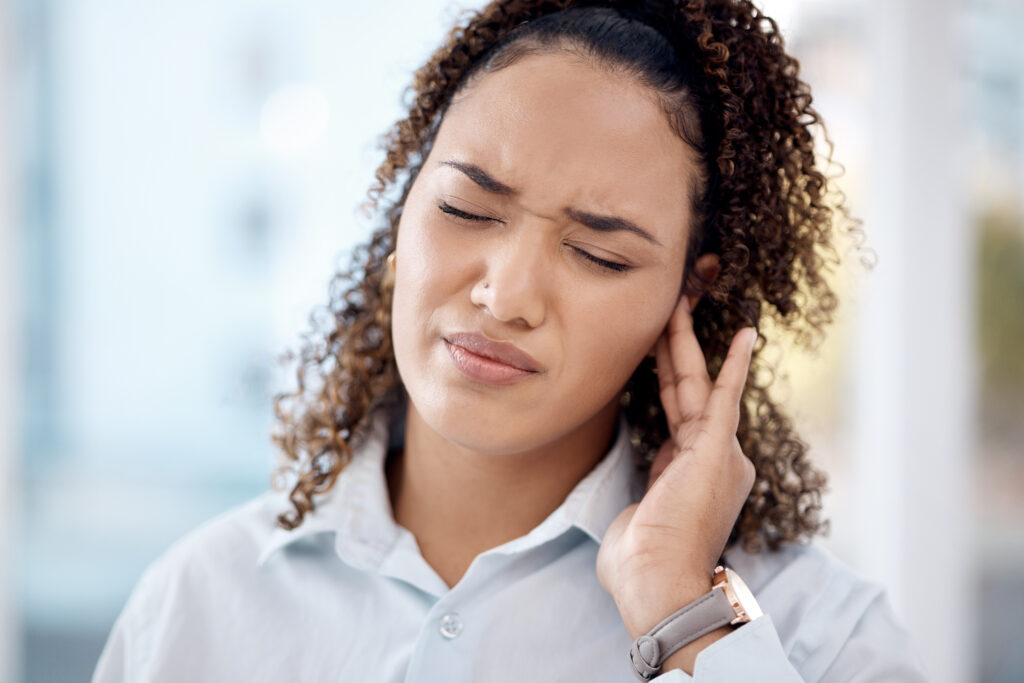
Sensorineural hearing loss occurs when there is a problem with the sensory receptors of the hearing system, specifically in the cochlea of the inner ear or auditory nerve. The majority of sensorineural hearing loss occurs as a result of an abnormality or damage to the hair cells in the cochlea. This abnormality prevents sound from being transmitted to the brain normally, which results in a hearing loss.
Individuals with sensorineural hearing loss may hear muffled speech, suffer from tinnitus (or ringing in the ears), have difficulty hearing in background noise or clarity of speech problems.
There are a number of causes of sensorineural hearing loss, including:
Sensorineural hearing losses are generally permanent and may remain stable or worsen over time. Routine hearing tests are needed to monitor the hearing loss. Hearing aids are the most common and successful treatment, allowing hearing professionals to adjust settings as needs change.
Sensorineural hearing loss occurs when there is a problem with the sensory

Dizziness is a symptom not a disease. It may be defined as a sensation of

Tinnitus is commonly described as a ringing, buzzing, whooshing or hissing