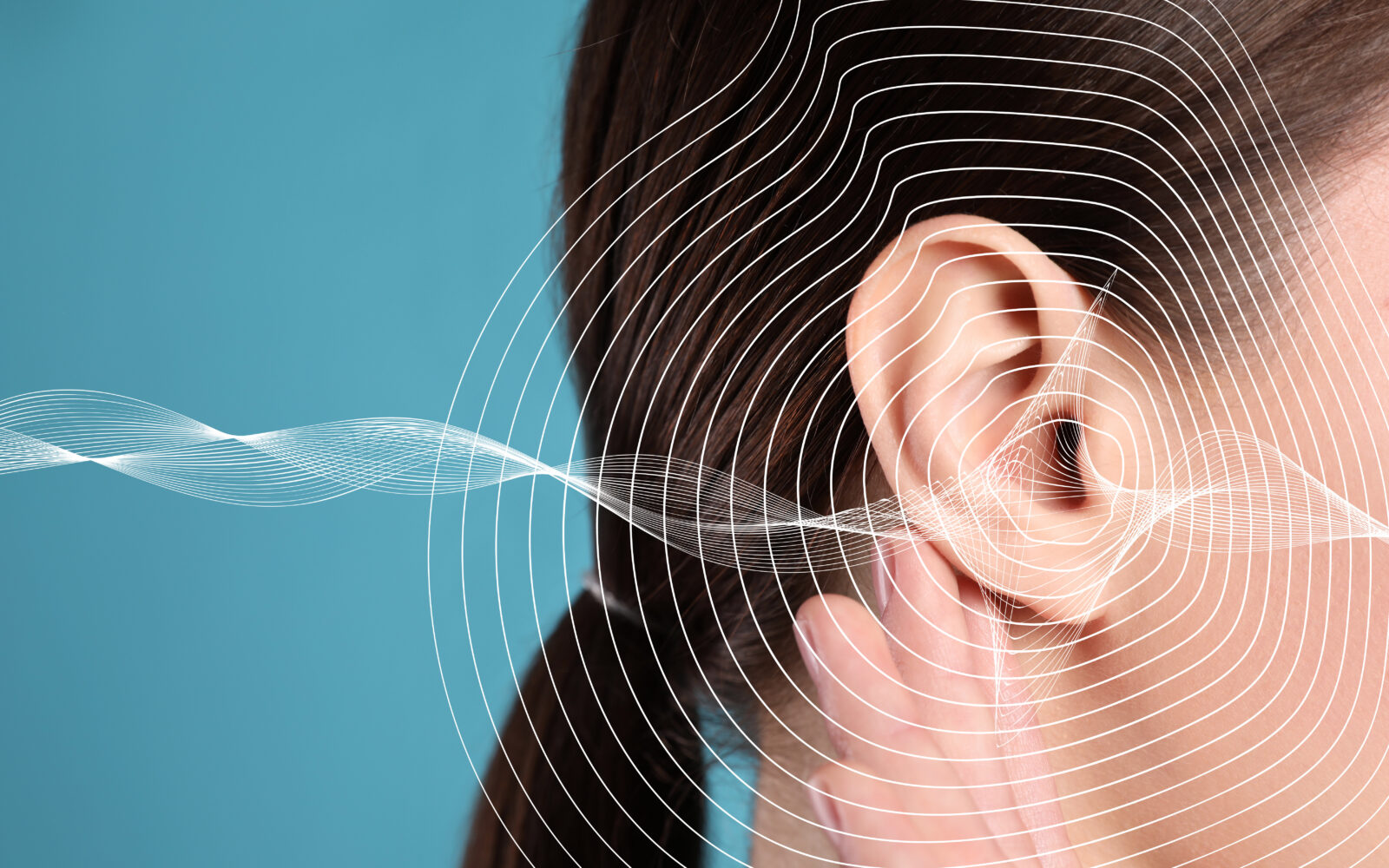
Hearing loss concept Woman and sound waves illustration on ligh

Do you struggle to hear the television? Are you frequently asking others to repeat themselves? If so, you’re not alone: More than 1.5 billion people around the world — close to 20% of the global population — have some degree of hearing loss. Our sense of hearing is delicate and complex, and it plays an essential role in our mental well-being.

There are several ways to improve hearing for people with known hearing loss. From hearing aids to auditory training, here are some ways to enhance your quality of life when living with hearing loss:

1. Medical intervention
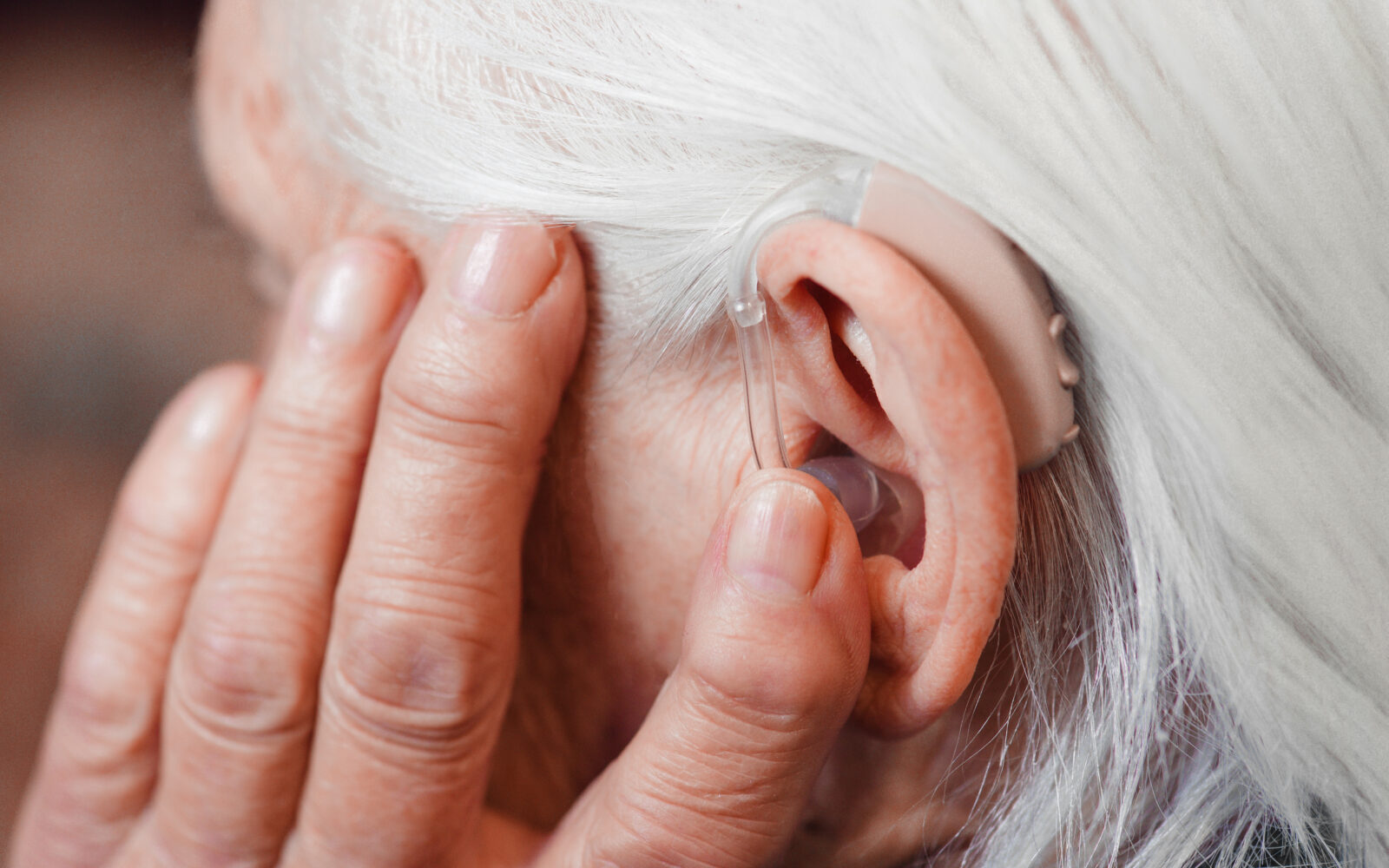
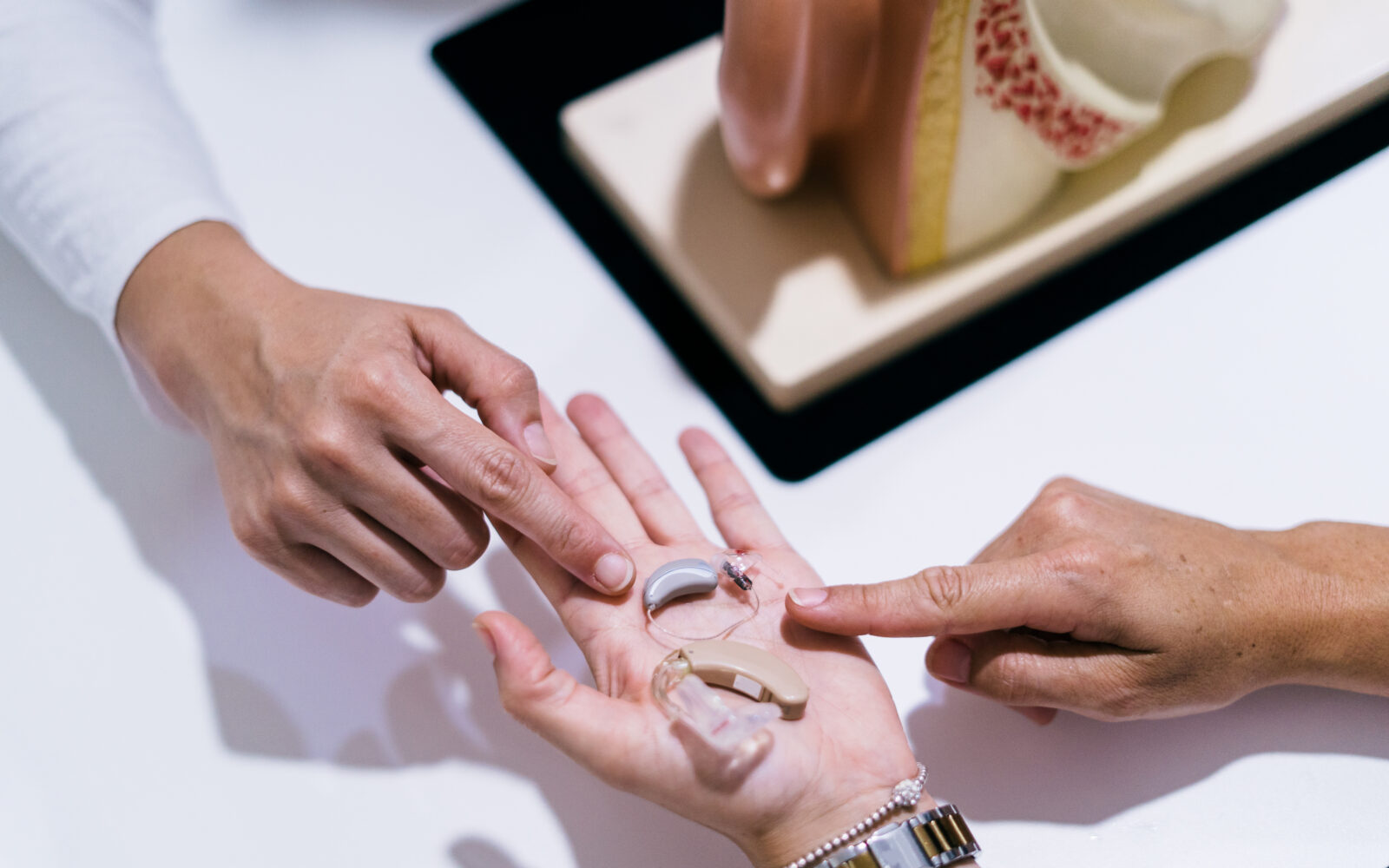
Hearing aids are the most common way to treat hearing loss and improve quality of life. Hearing aid use can improve brain processing over time as it adjusts to renewed auditory stimulation. For more severe cases, doctors may recommend a cochlear implant to help correct hearing loss. While hearing aids amplify sound waves, cochlear implants directly stimulate the auditory nerve. Cochlear implants are surgically placed and require training on how to use them.

2. Medical and electronic devices
Hearing aids are not the only medical device that can help people improve hearing. Other assistive listening devices and technology available to boost hearing include the following:

  • Closed-captioned TV is a required option on all screens larger than 13 inches to make watching TV easier for those who have hearing loss.
    FM systems use their own radio frequency to transmit sound from a microphone to a receiver worn on the ear or hearing aid. This allows the speaker’s voice to travel directly to the listener’s ears. FM systems are suitable for classrooms, theaters and other large areas.
  • Loud doorbells use visual aids (flashes, strobe light), vibrations or louder sounds to alert you that someone is at the door.
  • Personal sound amplification products (PSAPs) are sold in stores or online. While they do not help people with impaired hearing, they can amplify sounds for people with normal hearing in certain situations.
  • Phone sound amplifiers are affordable and can be purchased in stores or online. These devices can boost volume and tone control for both smartphones and landlines.
  • Speech-to-text programs are widely available as phone apps and devices that can transcribe conversation into text for easier understanding.

3. Communication strategies
Communicating with people on a daily basis can be both frustrating and exhausting for people with hearing loss. Here are some tips on how to improve your communication with others:

  • Lipreading combines the relationship between hearing and seeing. Many training courses offer lipreading education for those with hearing loss.
  • Sign language basics can offer a huge benefit both for people with permanent hearing loss and their friends and family.
  • Strategic positioning, such as standing face-to-face with the person in a well-lit area with minimal background noise, can help with communication.
  • Advocate for yourself by letting people know how they can help you. Ask people to speak clearly, not to block their mouth when speaking, not to shout and to be patient.

4. Auditory training
Auditory training programs are a great way to learn strategies to improve your hearing through a series of exercises. Programs are offered in-person, online and through mobile apps.

Common auditory training exercises include:

  • Auditory memory and attention training. Practice listening to a sequence of sounds or words and then summarize what you heard to help strengthen memory and attention.
  • Phoneme recognition. Practice distinguishing between similar-sounding words like “bat” and “pat.”
  • Speech-in-noise training. Practice listening to sentences with various background noise levels.
  • Text following. Read along with an audiobook or follow a script to help develop active listening and comprehension skills.

Recent studies have also found that music training is a promising tool as a therapy that may help improve hearing. Activities incorporating music such as singing, playing an instrument and listening to music can help with memory, auditory skills and speech comprehension.

While mild hearing loss is often a product of natural aging, there are steps you can take to protect your ears and minimize the significant impact hearing loss can have on your overall health and well-being.

Here are a few tips on how to protect your ears and keep your hearing sharp:

1. Protecting your ears
Safeguarding your ears from the environment and loud noise is important to prevent the development of hearing loss as you age.

  • Avoid loud noises. Excessive noise is a common cause of hearing loss, but it is preventable. Turn down the volume on your devices and wear earplugs when you have to be in a loud environment. Be especially careful around sounds above 80 decibels — at concerts, nightclubs or sporting events, for example — which can damage your hearing.
  • Keep your ears dry. Excess moisture can lead to ear infections, which can cause hearing problems. After swimming or bathing, tilt your head to the side while tugging your earlobe to remove water from the ear canal.
  • Protect your ears from the cold. Your outer ears have minimal fat for insulation, so your blood vessels must constrict blood flow to stay warm in cold weather. This affects the health of your ears, leaving you susceptible to ear infections and frostbite. To prevent this, keep your ears covered with earmuffs, a scarf or a hood when it’s cold outside.

2. Maintaining good ear health
Taking care of our ears isn’t usually top of mind during our daily hygiene routine. However, simple steps can make a big difference in protecting your ears from potential causes of hearing loss.

  • Be aware of excessive ear wax. Ear wax protects the inside of your ear by trapping dirt and hampering the growth of bacteria. While ear wax is a natural and essential part of your body’s defenses, a wax buildup can lead to hearing loss.
  • Avoid cotton swabs and other small objects. Never place any objects inside your ear canal, including cotton swabs. Doing so could damage your eardrum, which can cause hearing loss.

3. Healthy lifestyle choices
Establishing a healthy routine can have a big impact on our well-being, and our daily habits can have a big impact on our hearing health.

  • Don’t smoke. Smoking can increase your chances of hearing loss. That’s because nicotine can interfere with the neurotransmitters that carry messages from your auditory nerve to your brain.
  • Get some exercise. Exercise increases blood flow to the ears, which helps the tiny hair cells in the inner ear stay healthy. Simple exercises like walking, gardening or housework can improve your hearing health.
  • Meditate. Meditation is a great way to lower stress and improve hearing.
  • Incorporating deep breathing exercises increases the flow of blood and oxygen throughout your body, improving your ability to perceive and process sounds.
  • Practice yoga. Yoga is another healthy way to improve your hearing and relieve symptoms of tinnitus. Practicing yoga can increase circulation in the ears and the brain, which helps remove toxins and improve nerve functioning. The best poses for circulation and hearing health include the cobra, tree and warrior poses.
  • Take vitamins and supplements. A healthy diet rich in vitamins and minerals, such as folic acid, magnesium and zinc, is important for your overall health, including your hearing.

Understand the side effects of your medications. Some medications, including large amounts of aspirin and certain antibiotics and diuretics, can lead to hearing loss.5
4. Regular checkups and screening
As we age, it is important to prioritize routine checkups with our doctor to help catch any health issues in their early stages before progressing into something severe.

  • See your doctor regularly. Chronic conditions like high blood pressure and diabetes can increase your chances of hearing loss. Annual checkups can help catch these conditions early.
  • Schedule a hearing test. A routine hearing test provides the doctor with a baseline to gauge how your hearing is doing as you age, allowing for early treatment if necessary.
  • Consider wearing hearing aids. If your doctor prescribes hearing aids, be sure to wear them as recommended. Hearing aids can improve brain processing over time, boost your listening ability and impact your overall quality of life.

5. Workplace and recreational safety
People who work in loud environments, such as construction, music or manufacturing, need to take extra precautions to protect their hearing. The Occupational Safety and Health Administration (OSHA) requires employers to implement a hearing conservation program when noise levels are above 85 decibels during an eight-hour workday.

A hearing conservation program must:

  • Measure noise levels
  • Offer training about hearing loss
  • Provide free annual hearing exams
  • Supply hearing protection

You may not realize it, but many daily routines can also negatively affect hearing. These can include:

  • Attending music concerts
  • Hanging out in bars or clubs
  • Listening to music with headphones
  • Riding the subway
  • Sporting events

Experts suggest that an environment is too loud if:

  • Hearing is muffled or dull after leaving a noisy environment
  • You can’t hear someone speak at three feet away
  • You have ringing in the ears (tinnitus) after leaving a loud environment
  • You have to raise your voice to be heard

To protect your hearing during these situations, you can:
  • Be mindful of the volume level in your headphones.
  • Build in quiet times during your day to give your ears a rest.
  • Download a decibel app on your phone to alert you when noise levels are high.
  • Wear noise-canceling earphones to block background noise.

Source