9 Do’s & Don’ts for Talking to People With Hearing Loss
1.) Do Face me and make eye contact. Reading your lips helps me fill in

We Bring Hearing to Life!
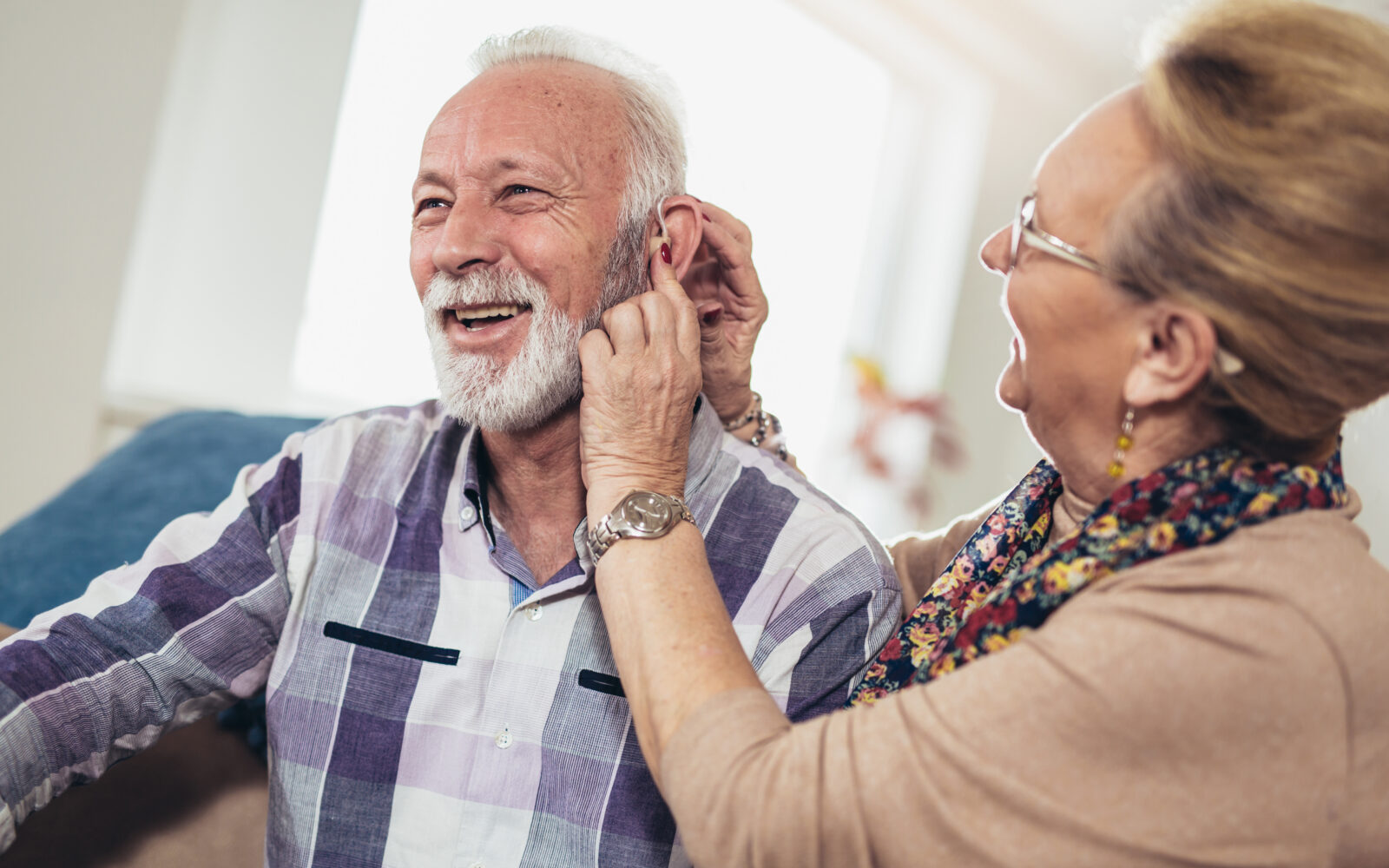
Hearing aids have advanced tremendously over the past several years in terms of functionality, design, and comfort. They can provide benefit to many people with hearing loss by amplifying the sounds they have trouble hearing. With technology progressing so quickly, it’s important for anyone with hearing loss to let go of old assumptions about hearing aids of years gone by and to educate themselves on current options and technologies.
Today, hearing aids function like mini-computers and can be programmed to the specific hearing needs of the individual. Using modern technologies and algorithms, many hearing aids analyze the sound environment at any given moment, amplifying appropriately to the needs of the listener.
Useful features of modern hearing aids that people might want to discuss with a hearing care professional include:
People with hearing loss also can choose style options—that is, how they want to wear their hearing aids. There are several choices, which range from the traditional behind-the-ear (BTE) hearing aid (although many new BTE designs are sleeker and barely visible), to hearing aids that fit partly in the ear canal, to hearing aids that are molded to sit completely in the ear canal. How visible each of these styles are depends on the person’s physical features.
Licensed hearing care professionals can advise people of the full range of styles and what is most appropriate for their hearing and lifestyle needs.
Maximizing benefit through education and aural rehabilitation
Purchasing a hearing aid from a hearing care professional frequently includes post-fitting orientation and counseling. These services help ensure that the individual’s hearing aid is programmed and adjusted appropriately so it works optimally for their needs. But taking a comprehensive approach to addressing hearing loss through aural rehabilitation helps to even further maximize the benefits that hearing aids can offer.
Usually, it takes people time to adjust to processing sounds they haven’t heard for a long time—often it’s been years. Essentially, the brain is relearning to hear these sounds. While the hearing care provider can work with the individual through this progression by adjusting the hearing aids as needed, aural rehabilitation goes even further and includes additional approaches to easing the transition. Aspects of aural rehabilitation can include working on listening skills; learning to use visual cues to enhance understanding of spoken conversation; strategies for navigating certain listening environments, such as where to position oneself at restaurants, parties, and places of worship; tips for communicating in noisy environments; and more. Sometimes hearing care providers will offer group hearing aid orientation, which provides the added benefit of peer support.
Including family in the rehabilitation process tends to bring better outcomes, as well. When loved ones learn to use clear speech by talking at appropriate speeds and volumes, it helps people tremendously as they adjust to hearing aids and the new world of sound. Source
1.) Do Face me and make eye contact. Reading your lips helps me fill in
Common myths about hearing loss dispelled, plus communication tips…

When thinking about hearing loss, mental health and wellness may not