New Studies Link Sleep Problems and Hearing Loss
If you find yourself tossing and turning every night, you might be losing

We Bring Hearing to Life!
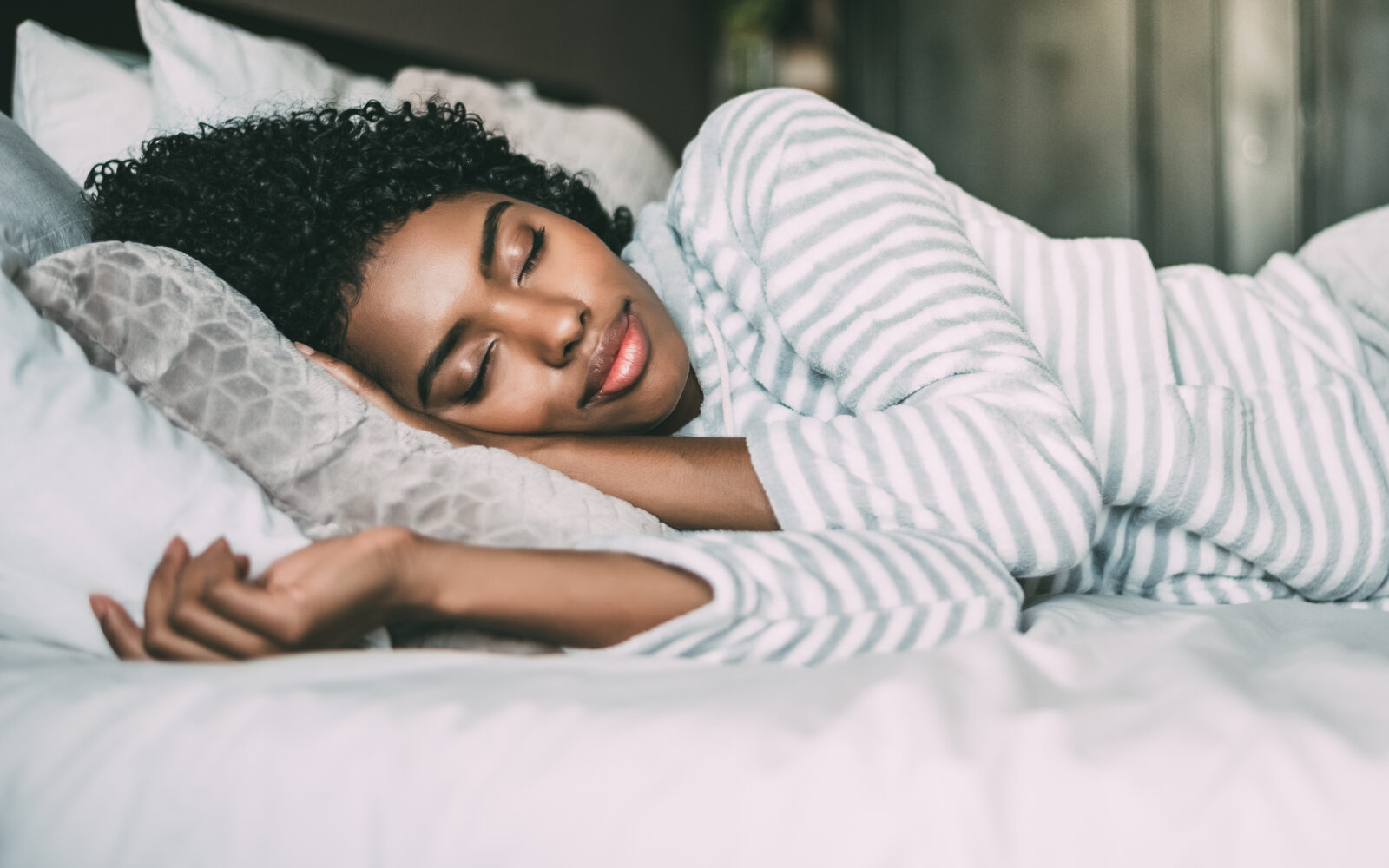
If you find yourself tossing and turning every night, you might be losing more than just a good night’s sleep. Several new studies have shown a link between hearing loss and sleep problems.
One study published in the September/October 2023 issue of Ear and Hearing, the Official Journal of the American Auditory Society, found poor sleep quality is associated with an increased risk of hearing loss.National Library of Medicine, Biotech InformationThe National Center for Biotechnology Information advances science and health by providing access to biomedical and genomic information. Researchers looked at sleep duration and quality in more than 230,000 adults ages 38 to 72 who were followed for a median of 4 years.
Throughout the study, participants self-reported any hearing loss, the hours they slept, and whether they experienced sleep problems. These included snoring at night, daytime sleepiness, and difficulty getting up in the morning. While these researchers found no link between sleep length and hearing loss, they determined that sleep issues raised the risk of hearing loss, and the more sleeping problems a person had, the greater the risk.
The sleep complaints reported in that study are also potential symptoms of obstructive sleep apnea (OSA). This health condition occurs when the throat tissues relax during sleep, blocking the upper airway and reducing or completely stopping airflow. In a separate study published in May 2023 in Frontiers in Public Health, the authors explain how OSA reduces oxygen in the blood, injuring the cells responsible for hearing in the inner ear. Combined with repeated awakenings during the night, this can lead to hearing loss.
The study authors found a slight link between OSA and hearing ability and noted that previous studies have been inconsistent in showing a connection. Still, they call for more research to examine the issue over several years since the injury and hearing loss from OSA can occur gradually over time.
Another study, published in November 2023 in BMC Public Health, noted that while OSA may be linked to hearing loss, how long people sleep may also play a role. The researchers analyzed self-reported sleep length data from over 2500 individuals ages 20-69 years from the 2015-2016 National Examination Survey cycle. They found that those who slept for shorter or longer periods than the recommended 7-9 hours a night reported more episodes of hearing loss than those who enjoyed a quality 7-9 hours of sleep.
Researchers in China discovered that taking naps may help preserve your hearing if you’re not getting enough sleep at night. Their study, published in April 2023 in Frontiers in Public Health, showed that napping 5-30 minutes in the afternoon lowered the risk of hearing loss in middle-aged and older adults, while inadequate sleep at night raised the risk.
But while the occasional daytime nap may hold some benefit, the researchers noted the best solution to protect your hearing is to try and achieve a regular goal of 7-9 hours of sleep each night.
If you find yourself tossing and turning every night, you might be losing

Did you know that astronauts can hear inside their suites through

Conductive hearing loss occurs when there is a problem with the way sound