Personal Injury Lien
Referral Inquiry Form Click link to fill out our personal injury lien

We Bring Hearing to Life!
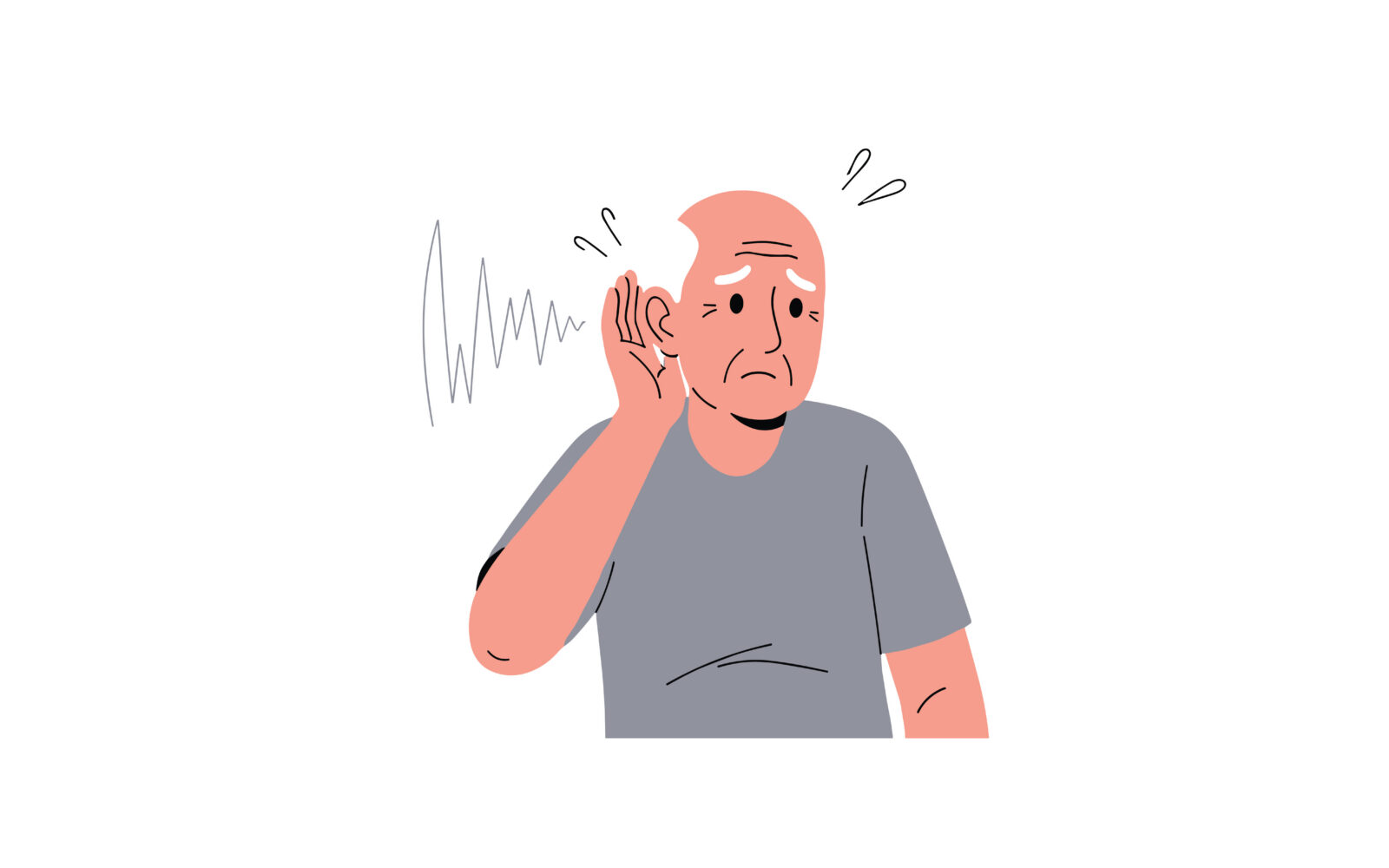
Have you ever been so anxious that your ears start ringing? Do you ever feel the world around you go silent when you’re super stressed out—as if someone’s shoved you into a soundproof room? As it turns out, there’s good reason.
“Most of us are pretty aware that hearing loss affects our mental health,” said Amanda Krisher, Associate Director, Behavioral Health at NCOA’s Center for Healthy Aging. “Now we’re learning the opposite is also true. Anxiety, stress, and even depression: these things can cause hearing loss in some people.”
Thankfully, anxiety-related hearing loss is usually temporary. But it’s important to be aware of the phenomenon and take steps to address the underlying reasons for it—especially if it happens to you often.
That’s because stress and hearing loss are tightly bound in a cycle that can be hard to break. “If constant stress and anxiety affects our hearing, we can become even more stressed and anxious because we don’t hear well,” Krisher explained. “This increases our risk for things like social isolation, depression, and other issues that affect our well-being.”
On top of all that, most of us will lose at least some of our hearing as we age. By the time we’re 65, one in three of us will experience this. By the time we’re 75, almost half will.
It’s important to know the difference between this type of hearing loss and anxiety-related causes because the treatments aren’t the same. What works for one may not help the other. Sometimes they even overlap. If you’re concerned about your hearing, consider asking your primary care doctor for advice on how to get properly diagnosed.
As Krisher pointed out, “early and effective intervention is key to improving our hearing and our quality of life.”
Ready to take charge? Here’s what you need to know about anxiety and hearing loss.
Hearing loss and anxiety
For those of us outside the deaf community, our ability to hear well is a vital part of two-way communication. We depend on it when we interact with friends and family; when we socialize with friends and colleagues; when we talk with people at the post office or grocery store; and so many things between.
“Hearing other people clearly allows us to engage in thoughtful and meaningful conversation, respond appropriately to verbal cues, and overall just enjoy our everyday relationships and be comfortable with our place in them,” Krisher said.
On the other hand, not hearing well can make us anxious. Here are some reasons why:
Given the above, it’s no surprise that hearing loss also puts us at greater risk for depression—particularly later in life. And, just as with anxiety, the two play off each other. In people who already live with the condition, hearing loss can make it worse.
Here are some of the ways that hearing loss and depression are connected:
Hearing loss and social anxiety
Social anxiety is a more specific form of anxiety defined by feelings of intense nervousness and self-consciousness around other people. When we’re socially anxious, we’re hyper aware of being judged—however unlikely this might be—and worry about doing or saying something embarrassing.
“Social anxiety, social isolation, and depression often overlap,” Krisher explained. “And hearing loss definitely contributes.” In other words, if we’re socially anxious—whether because we can’t hear well or another reason—we’re more likely to avoid gatherings and less comfortable making and keeping friends. And the cycle continues.
Referral Inquiry Form Click link to fill out our personal injury lien
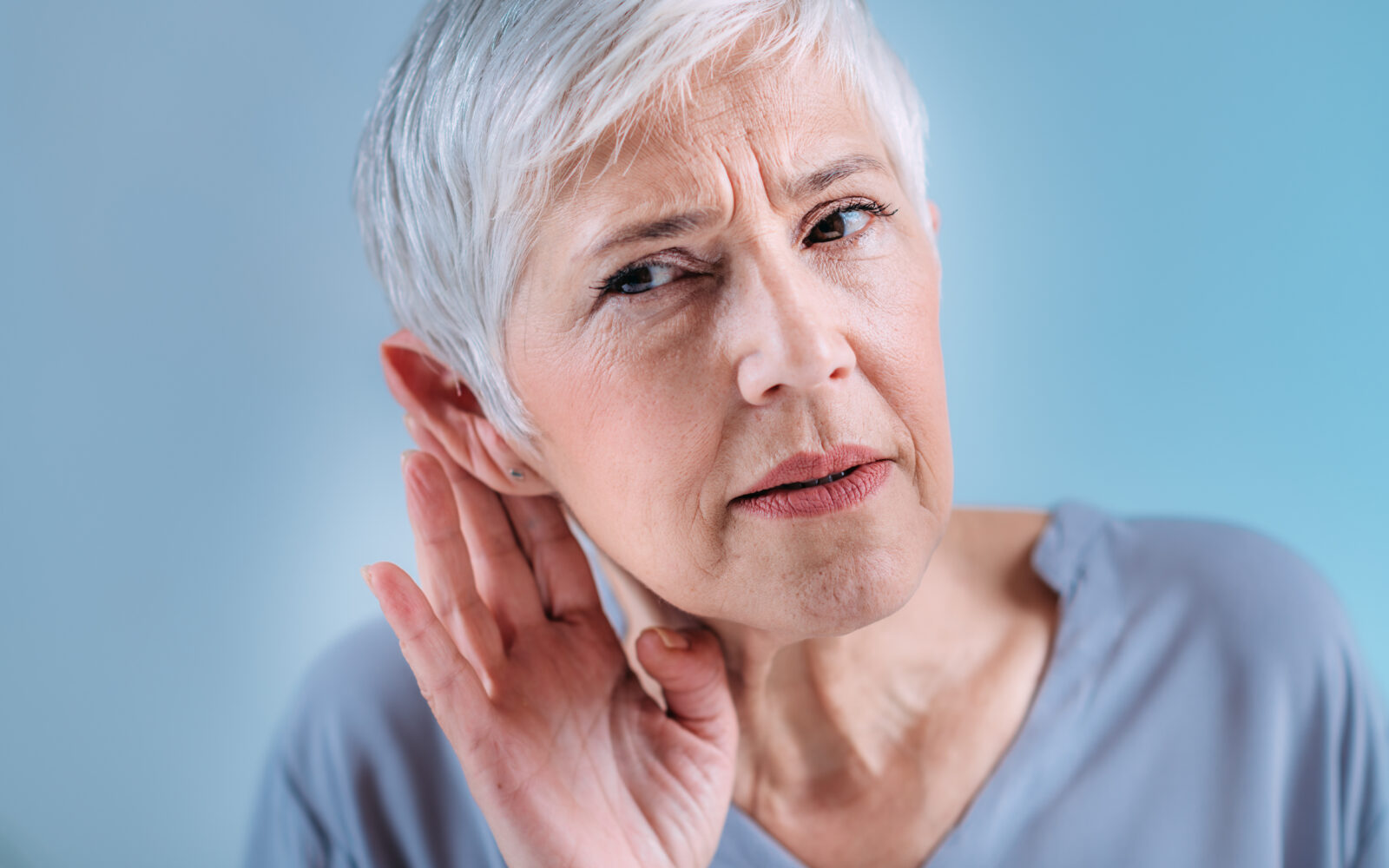
Hearing loss is extremely common among adults. Even mild hearing loss can
Adjusting to a hearing aid is a process – much like learning any new