Personal Injury Lien
Referral Inquiry Form Click link to fill out our personal injury lien

We Bring Hearing to Life!

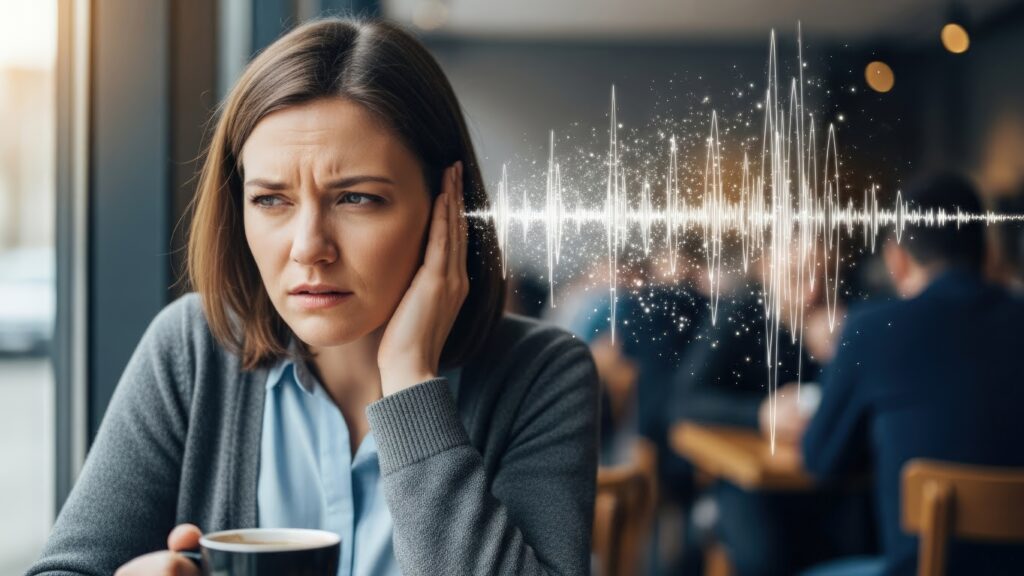
Conversations Feel Muffled
One of the most common signs is the feeling that people are mumbling or slurring their words. You can hear that someone is speaking, but the clarity just isn’t there, making it difficult to follow along without extra effort.
Difficulty in Noisy Environments
If you find yourself struggling to stay engaged at a busy restaurant or a family gathering with background noise, your ears may be having trouble isolating speech. This often leads to “listening fatigue” at the end of a social day.
Turning Up the Volume
If family members or friends frequently comment that the TV or radio is too loud, it’s a classic indicator. You may be trying to compensate for the loss of certain frequencies by increasing the overall decibel level.
The Presence of Tinnitus
Tinnitus—a persistent ringing, buzzing, or hissing in the ears—is a common companion to hearing loss. While it isn’t a disease itself, tinnitus can occur when damage to the inner ear changes the signal carried by nerves to the parts of your brain that process sound.
Can You Protect Your Hearing Wellness as You Age?
Practice the 60/60 Rule
Prevention is a key part of the hearing journey. If you enjoy listening to music or podcasts through headphones, try to keep the volume at no more than 60% for no more than 60 minutes at a time. This gives your ears a necessary break.
Use Hearing Protection
Whether you are mowing the lawn, using a leaf blower, or attending a sporting event, wearing earplugs can save your hearing from unnecessary strain. Custom earplugs are a great investment for those who still love attending live music events.
Prioritize Regular Screenings
Just as you get your eyes or blood pressure checked, annual hearing screenings should be part of your wellness routine once you hit 50 or sooner should you perceive any changes or difficulty hearing. Catching changes early allows you to take proactive steps toward better hearing health.

Referral Inquiry Form Click link to fill out our personal injury lien

Hearing loss is extremely common among adults. Even mild hearing loss can
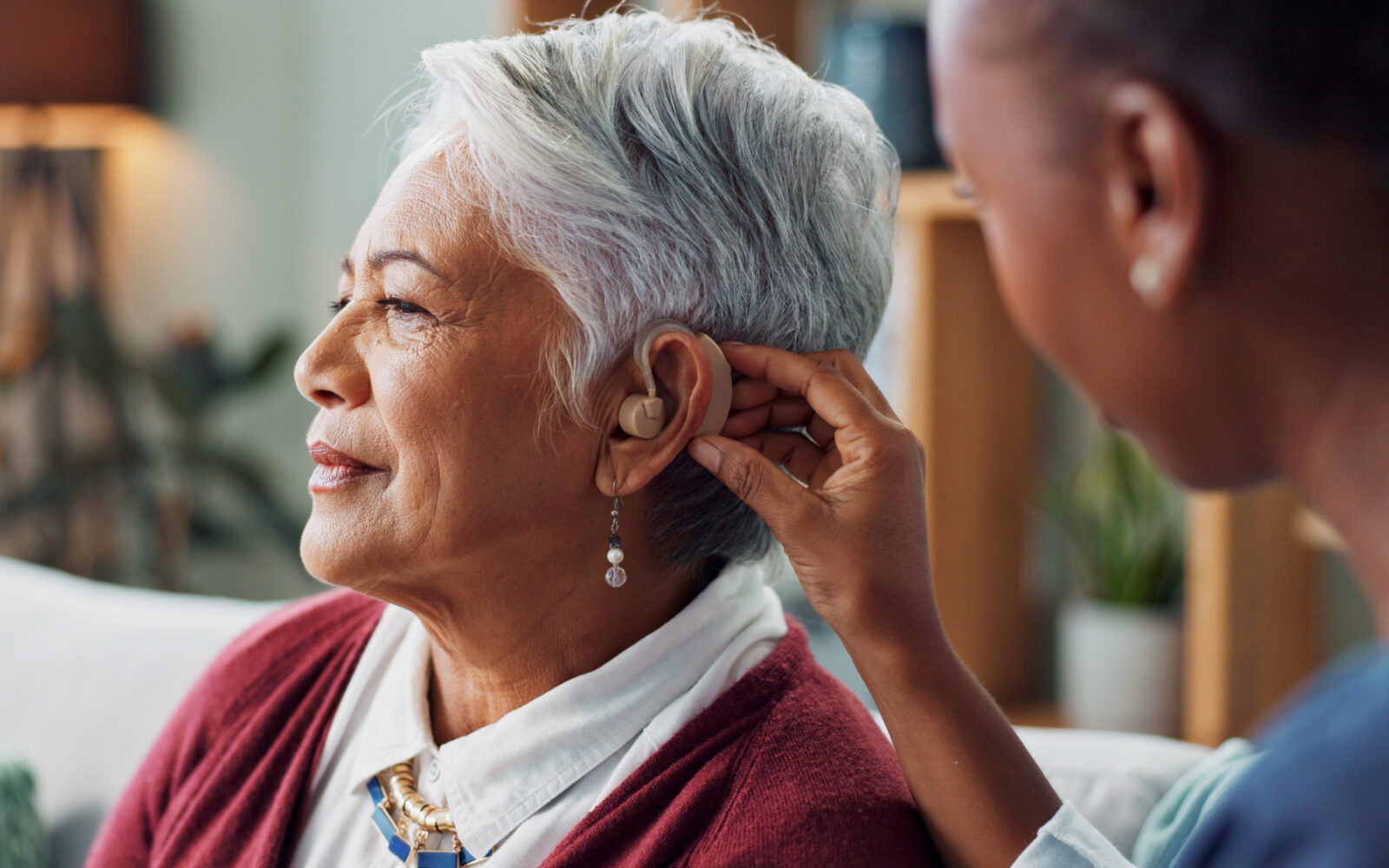
Adjusting to a hearing aid is a process – much like learning any new